TGC Capstone Project
  • How to Use this Guide
  • Standard-Based Global Education Updates
  • Digital Learning Environment Inventory
  • International Project-based Learning Opportunities List
  • Local Community Resource List
  • Essential Question
  • Global Education Student Assessment Tools Inventory
  • Global Education Unit Plan
  • Discoveries in India: Travel Blog
  • Additional Resources
  • Contact

Agra Marble

8/4/2014

0 Comments

 
Picture
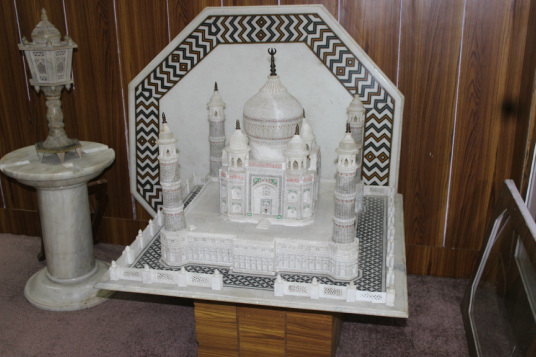
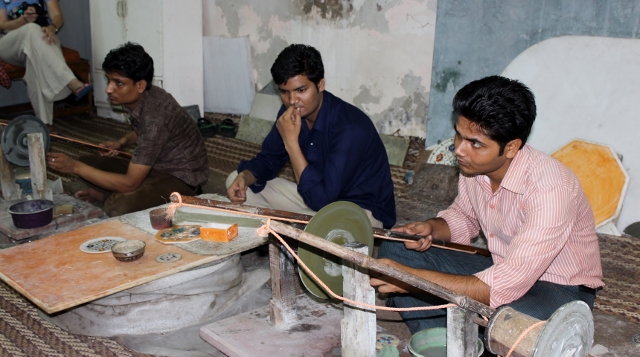
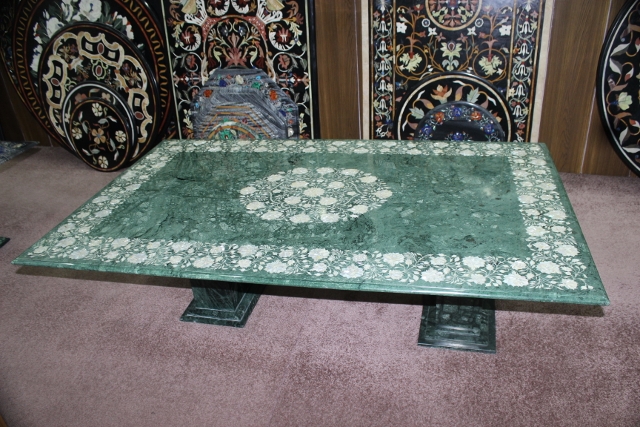
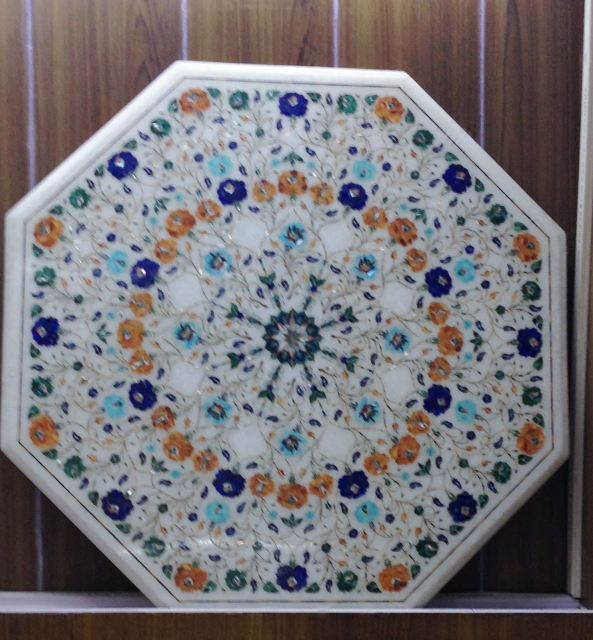
After visiting the Taj Mahal, we went to a marble carving factory and shop.  All marble carvers in Agra belong to one of the 18 original families who helped carve the marble for the Taj Mahal. 

The work here is incredible.  Jade, lapis, mother of pearl, and carnelian are carefully shaped, often mimicking the same images seen at Taj Majal.

Sadly, this may soon be a lost art.  More and more often, family members are choosing to find more lucrative employment.


Picture
Picture
Picture
0 Comments

 Pictures of Poverty

8/4/2014

0 Comments

 
Picture
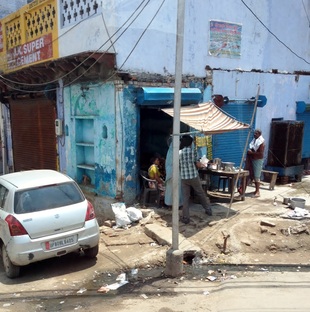
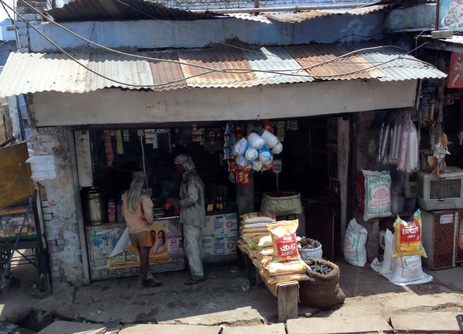
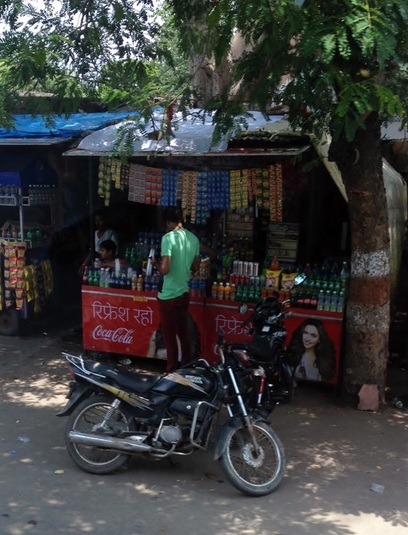
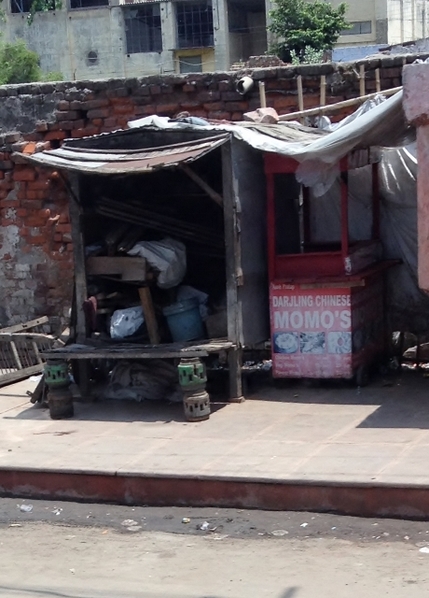
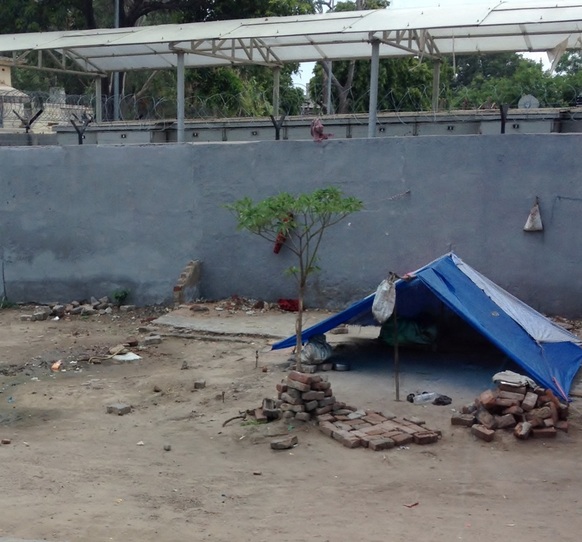
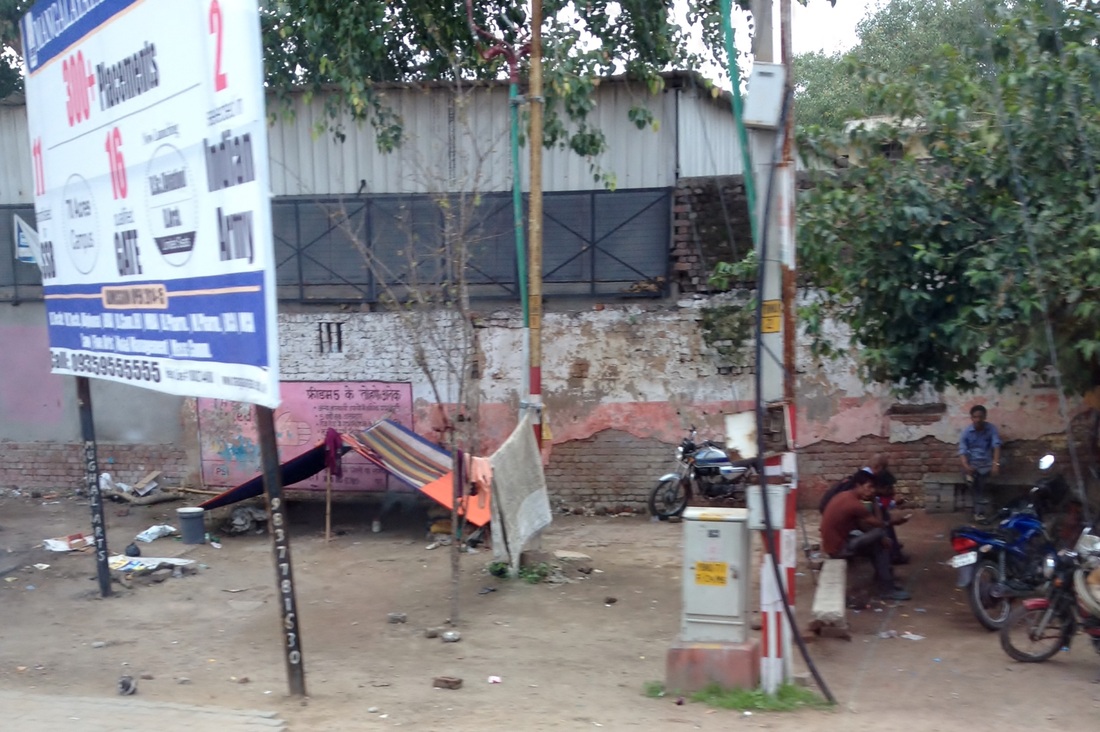
I am purposely not writing about this issue.  The pictures speak for themselves.  If you want to know what India is doing to eradicate poverty, I suggest researching Dr. Ashwin Mahesh and/or checking out An Online India.

Picture
Picture
Picture
Picture
Picture
0 Comments

Katha Lab School

8/4/2014

0 Comments

 
Picture


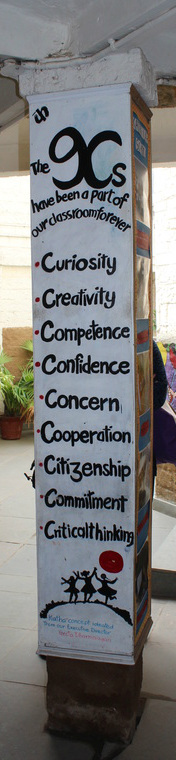
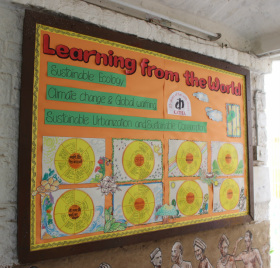
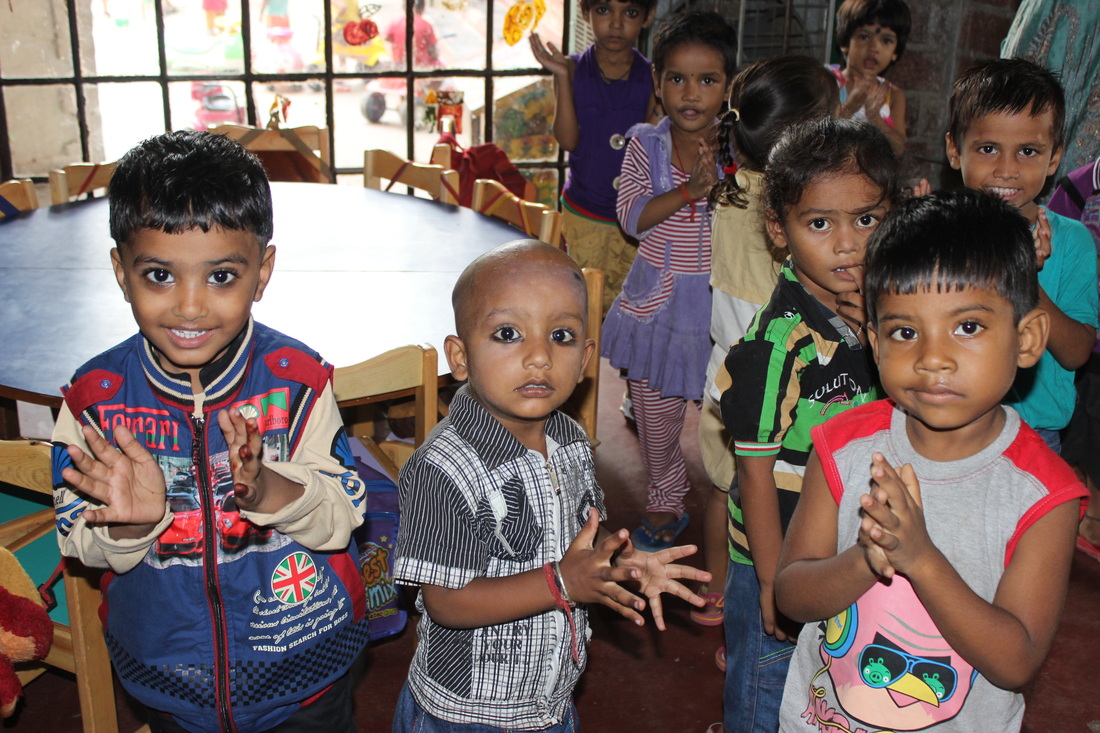
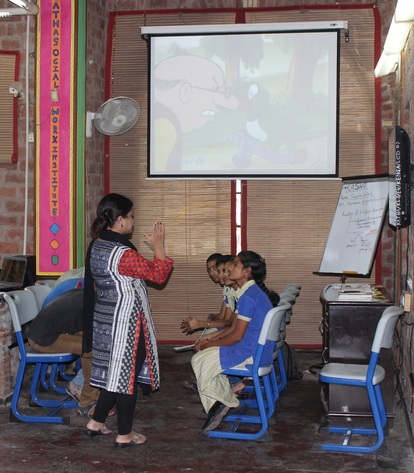
Katha Lab School is an experimental school in a slum in Delhi.  It is also quite possibly one of my favorite schools of the ones I visited in India.  The rooms are text rich.  Targeted skills, lessons, and special projects decorate the walls. Because lessons are theme-based, each subject is explored through the prism of the theme.

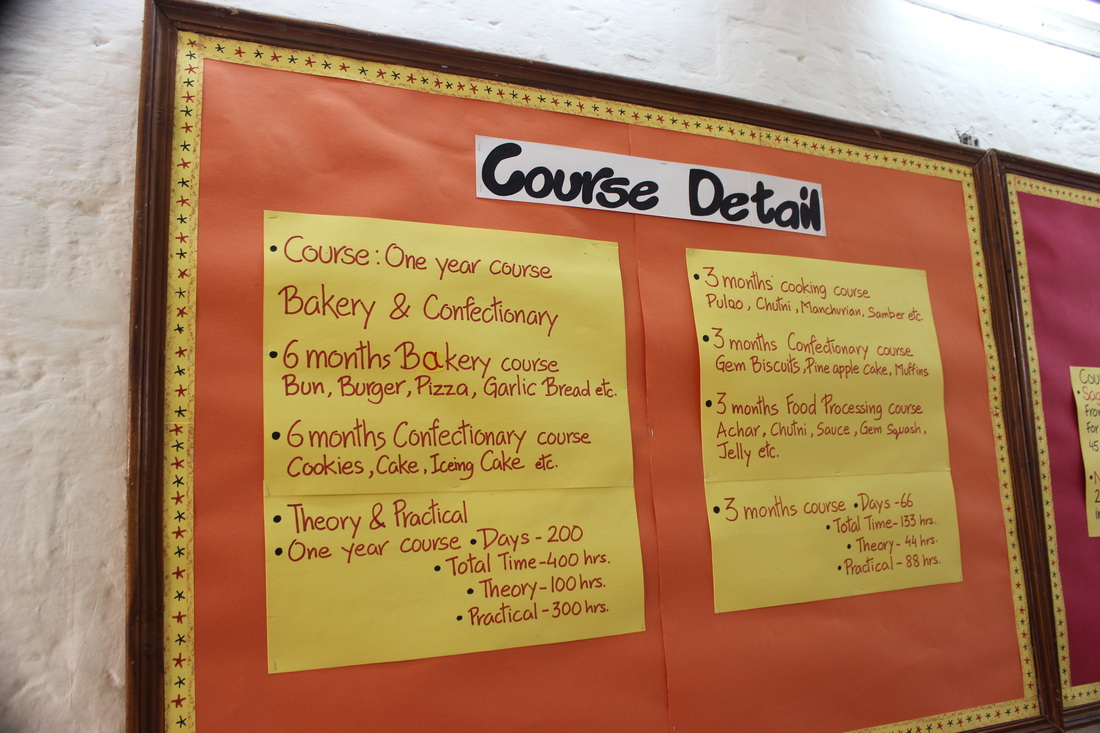
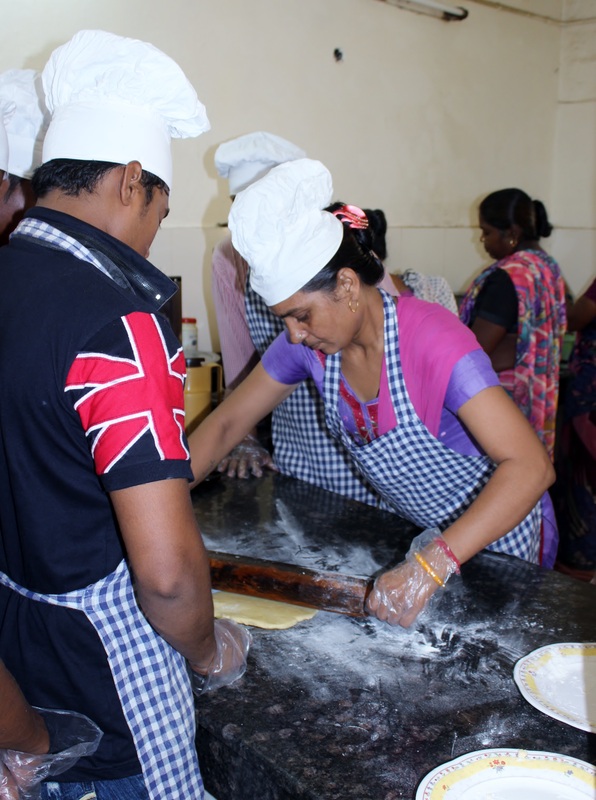
Although this is a K-12 school, there is also a pre-school and a daycare.  This allows the mothers in the neighborhood to work.  To address some of the issues in gender and poverty, the school works hard to attract female students who historically stay home to help the family and keep male students who tend to leave school to join the work force.  They do this through reduced tuition and job skills programs.

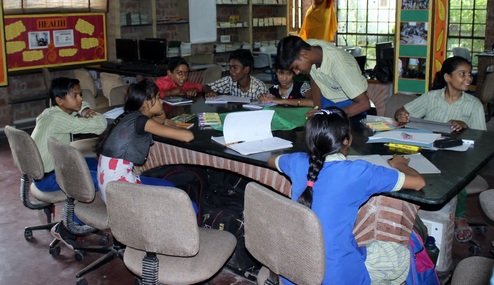
Cooperative learning and multisensory lessons are part of the norm here.  There is both a computer lab and a video lab. Students are responsible for gathering information, discussing it with their group, and rearranging it in a pleasing format to address each component of the project. Critical thinking skills are encouraged and enforced through the projects.


Picture
Picture
Picture
Picture
Picture
Picture
Picture
0 Comments

To Go to School or to Go to Work

8/1/2014

 
Picture
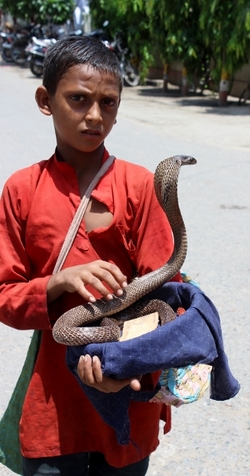
See the boy with the snake?  Don't fret; the snake's fangs have been removed.  The boy is helping his family by earning a few rupees.  I gave him 500 rupees.  That's ten dollars.  It also makes me part of the problem.

The problem?  This picture was taken on a Thursday.  The boy should have been in school.  In school he can gain the knowledge and skills he needs to get a better job - one with security and benefits. 

One million children in India still don't go to school.  The current population in India is 1.27 billion. More than 50% is below the age of 25. The literacy rate just edges above 74%.  It is estimated that about 22% of the population lives in poverty. 


Take another look at that young boy.  See the look in his eyes?  Is it anger? Fear? Sorrow? 


St. Mary's Higher Secondary School

7/24/2014

 
Picture
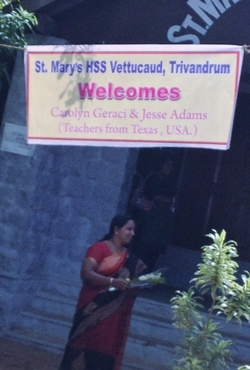
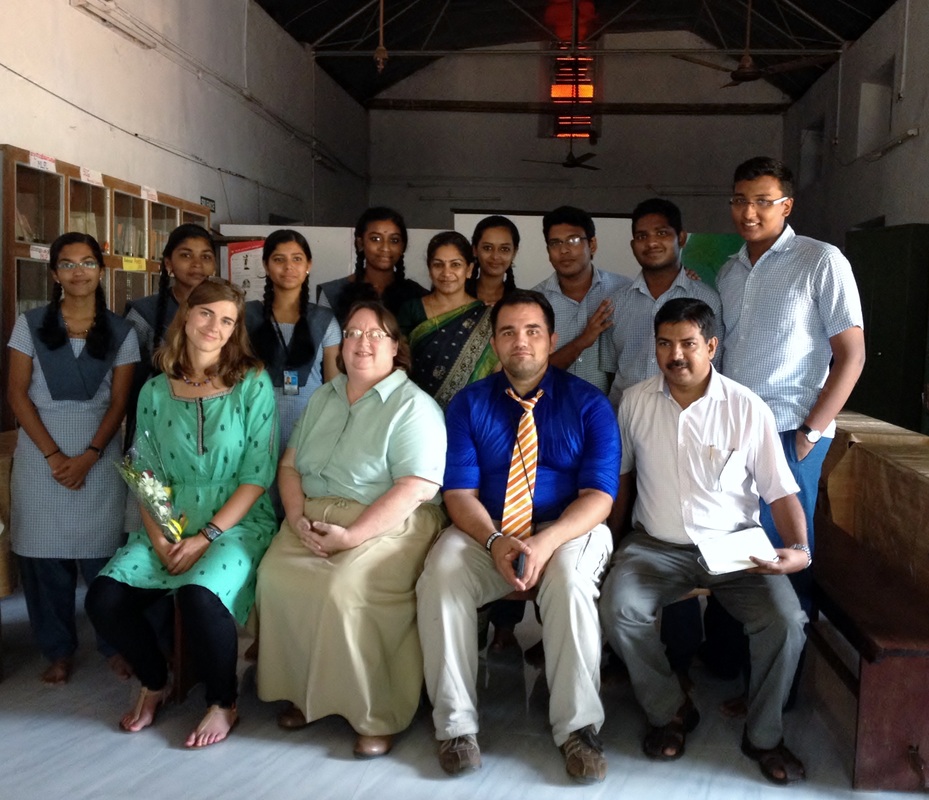
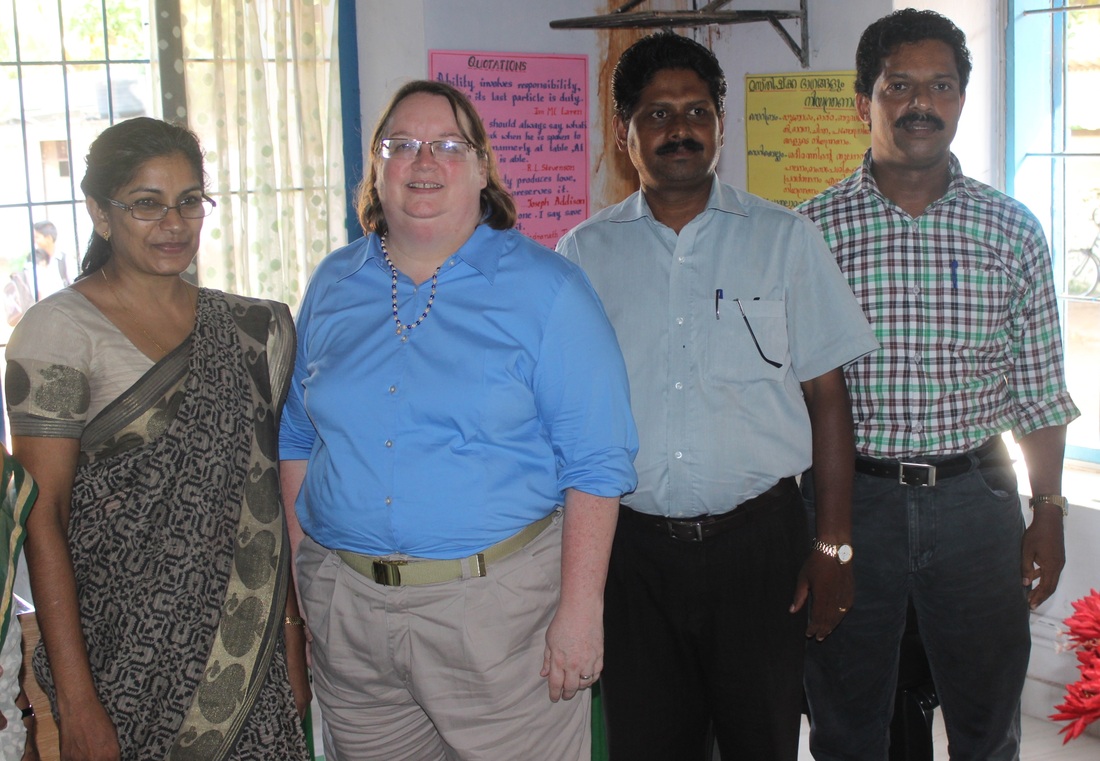
Although my cohort Jesse and I enjoyed our time in Bangalore, we were both happy to arrive in Trivandrum to spend the week at our host school, St. Mary's Higher Secondary School. 

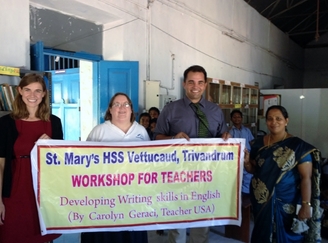
We were greeted with flowers and a banner. Our host Babu Louis proudly introduced us to the faculty and staff as we toured the campus.

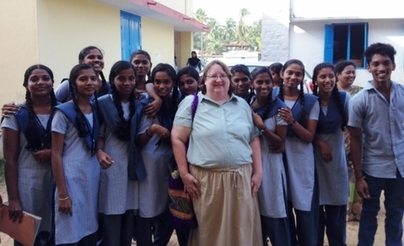
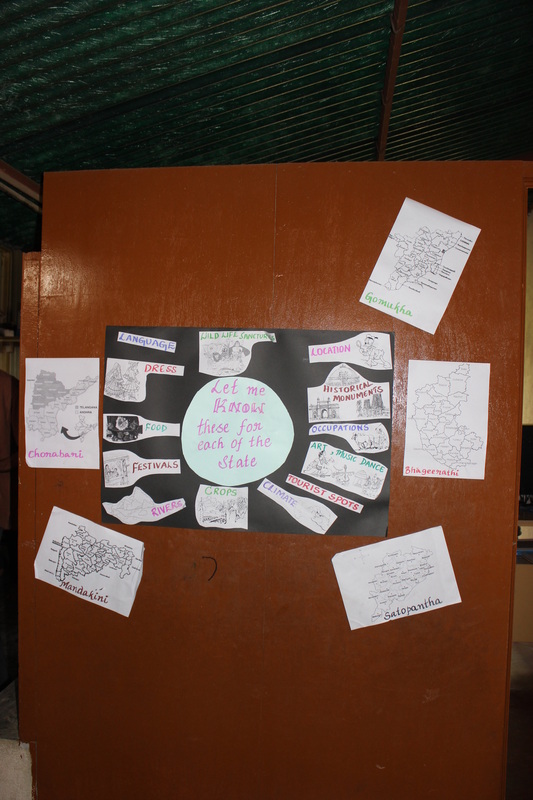
The physical campus reminded me of the Muslim Girl's Orphanage School. Because the teachers move from room to room, the walls are bare of the motivational and subject matter posters I and my colleagues use to decorate our rooms.  The comparison ends there.  Jesse and I were pleased to see the students engaged in activities which promoted critical thinking skills.  Every student was engaged and learning.


Picture
The students treated us like rock stars.  When asked for my autograph, I signed it with the same sentiment I have written in yearbooks for the past 23 years: Work Hard, Play Hard, Live Well.

Although we were assigned to spend time with Standard 10, I also would go to the library when Standard 4 was slated to be there.  During their library time, they would choose books in English from the shelf to read.  I would help them sound out and understand the new words.


We were present for the inauguration of the literary club. The self-named Lunch Bunch is a group of inspired teens who not only love reading but love to share what they have read. 
Picture
Picture
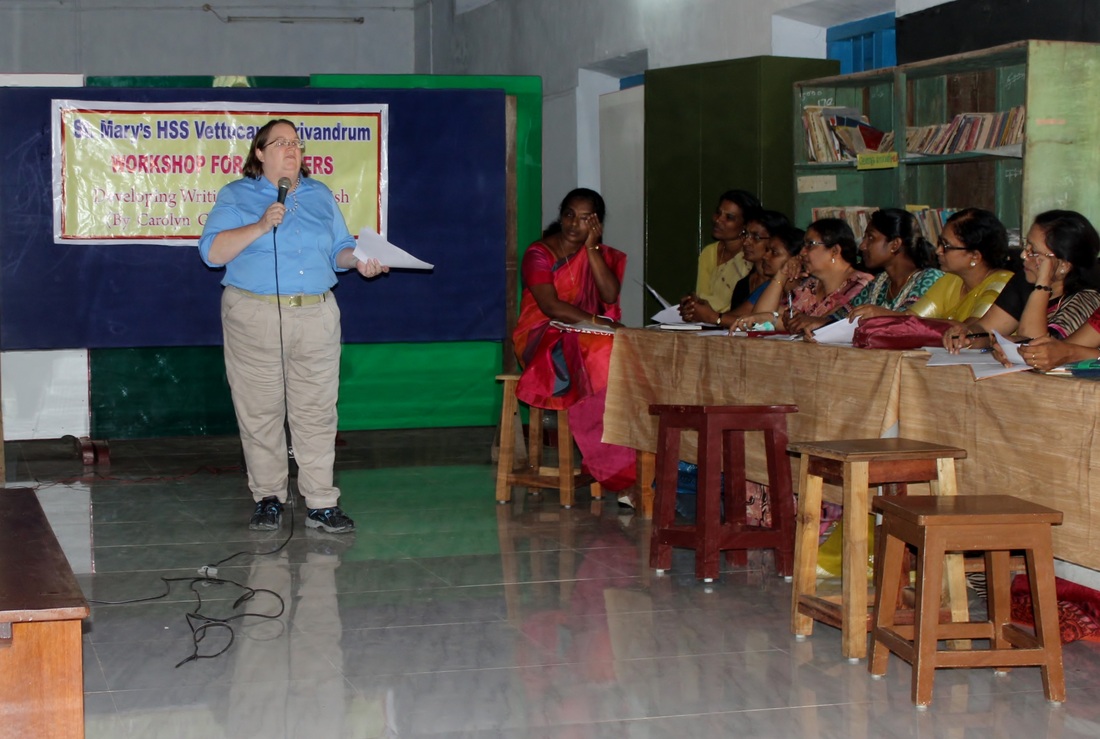
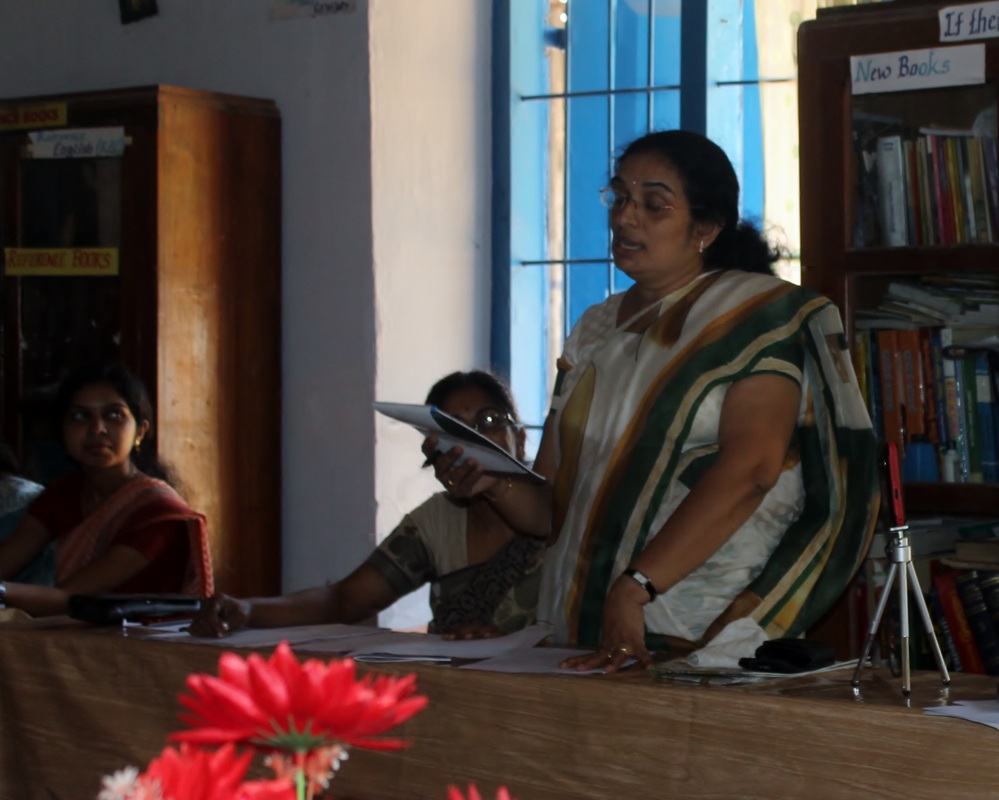
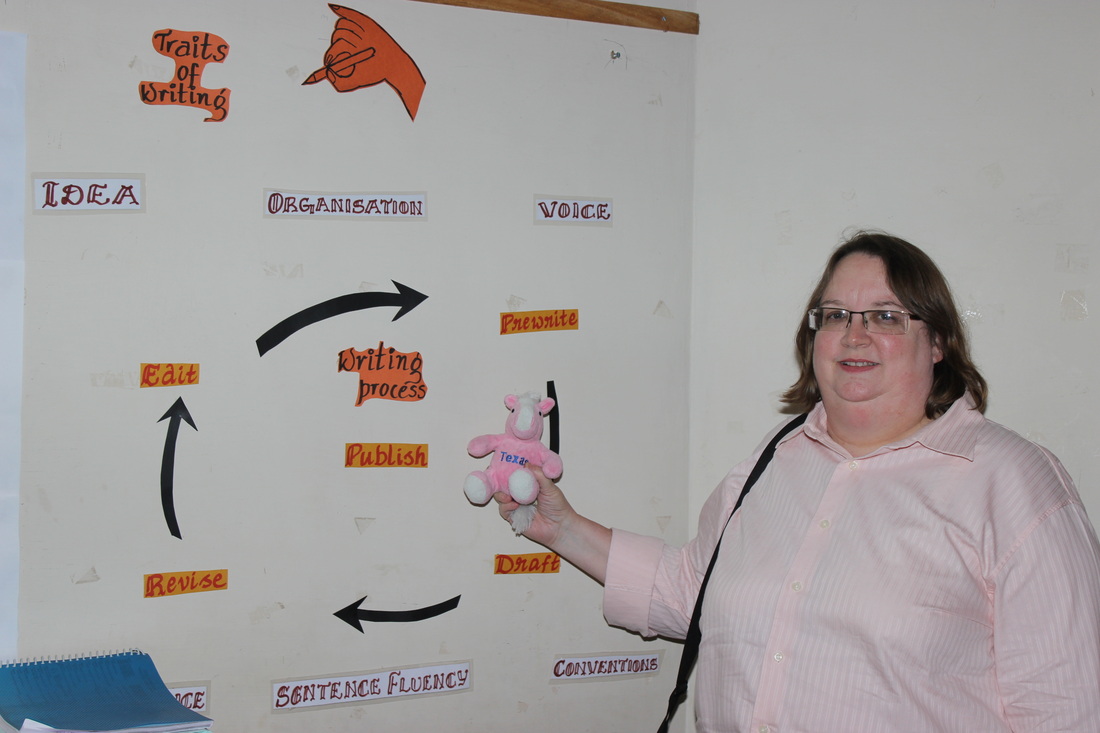
On Thursday I presented a workshop on using writing workshop to develop writing skills.  In an hour and a half I tried to give as many tools as I could to help the English teachers from several schools.  I showed them how to use mentor texts, explained why and how to write with and for their students, and demonstrated how to develop rubrics for writing.


Picture
Picture
Picture

Purnapramati School

7/19/2014

1 Comment

 
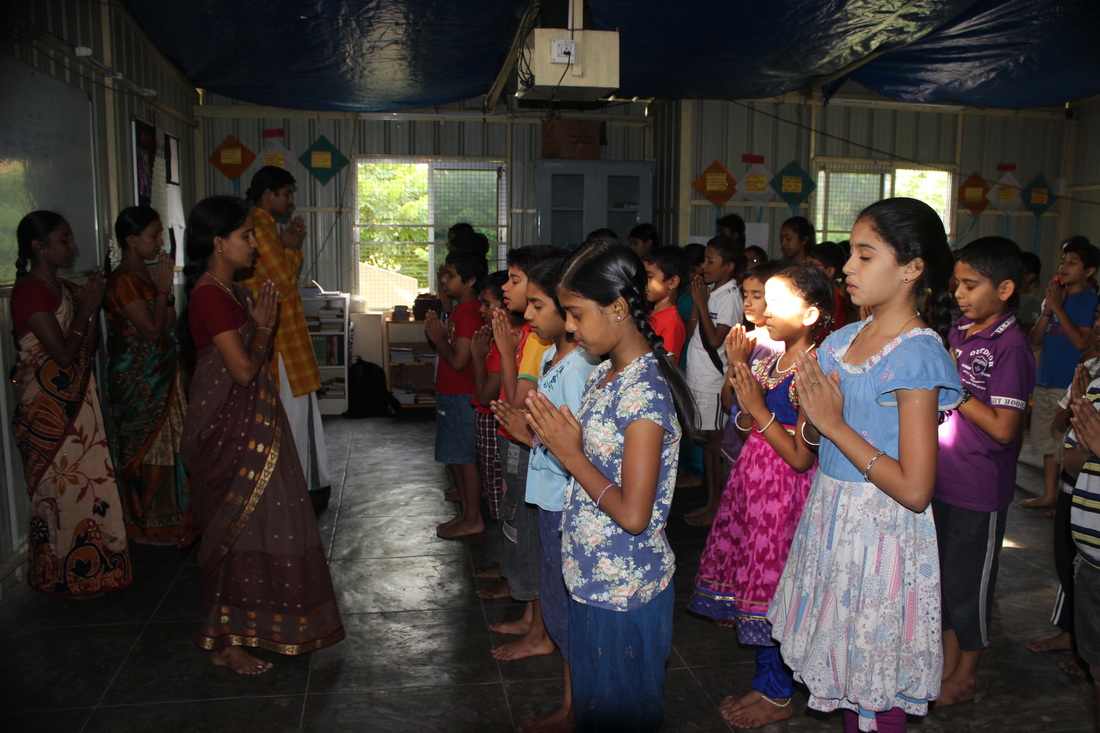
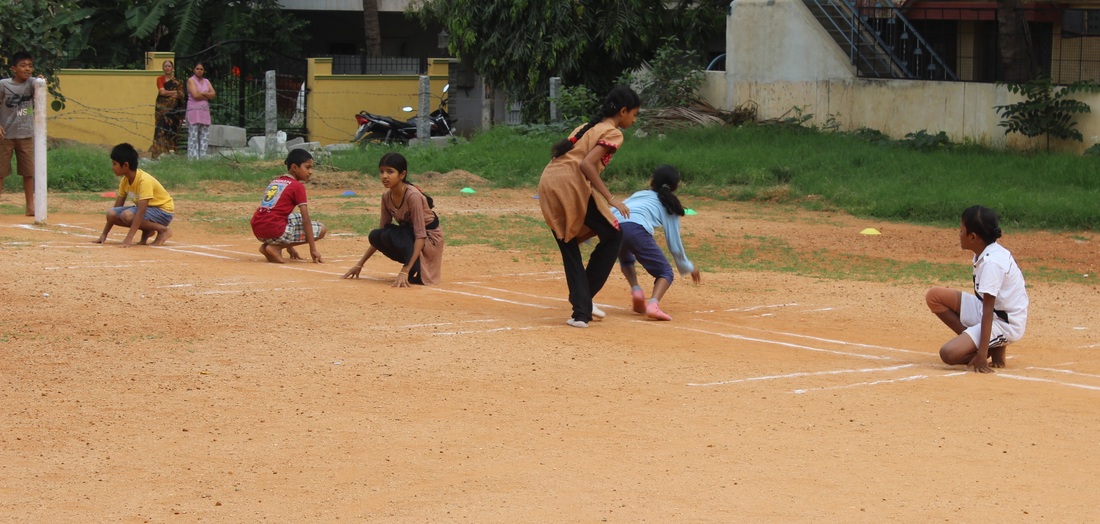
In this private school, The day begins with physical exercise. As we drove up, we saw the kids playing an elaborate game of tag called khu khu. Some of us joined in.  The students and teachers then gathered in a large room in the school to pray and sing.

This is a private school with a different focus.  The students here are trained in Sanskrit. Every class is wisdom-based. The lessons are designed to help the students experience the topic, so the children are gaining critical thinking skills.

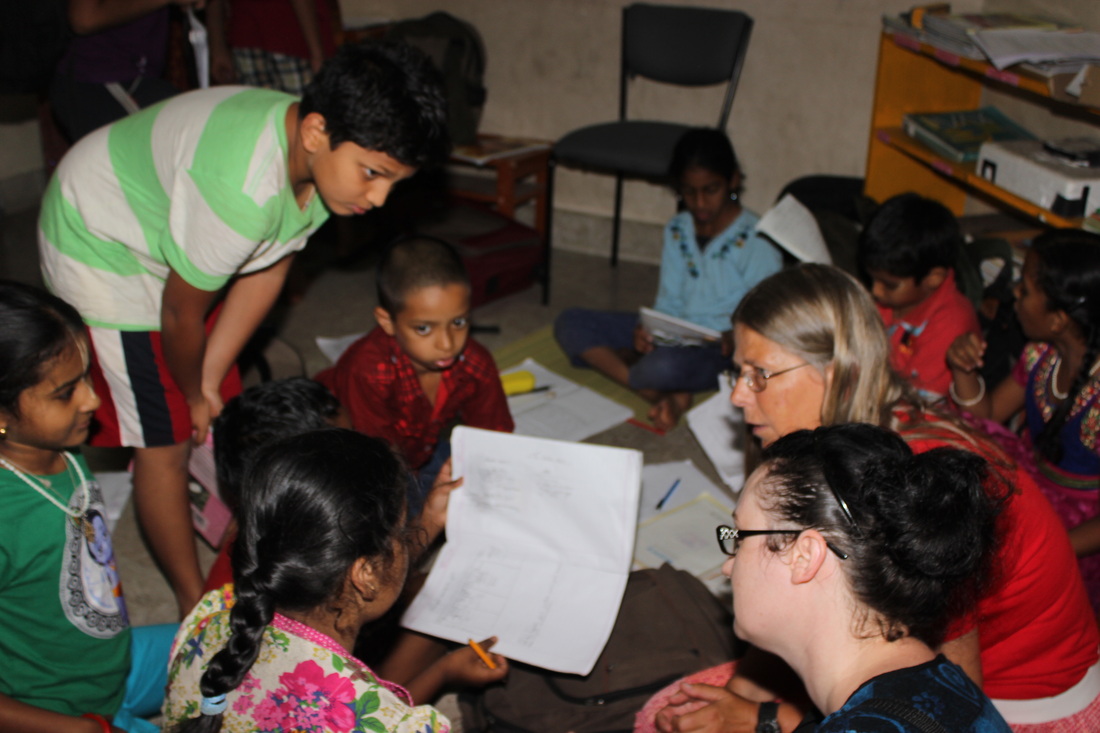
For each class, they have an introductory lesson, then are given a document which includes the activities and exercises they are to complete. They work in small groups to watch videos, discuss and answer questions, and complete projects to demonstrate skill and knowledge mastery. All of the electives are based on the students’ cultural heritage. In one classroom, you will see different activities happening since they all work at different paces.  The children are engaged, curious, thoughtful, and friendly.  All of the teachers are experts in the field they teach, and they are all here because they believe in the philosophy behind the school.

Picture
Picture
Picture
Picture
Picture
1 Comment

Muslim Orphanage School

7/19/2014

1 Comment

 
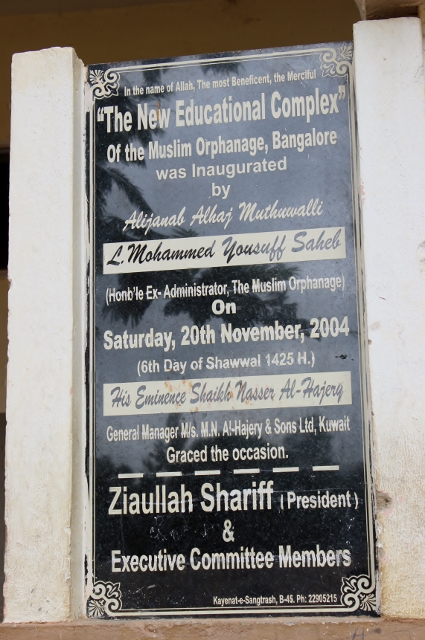
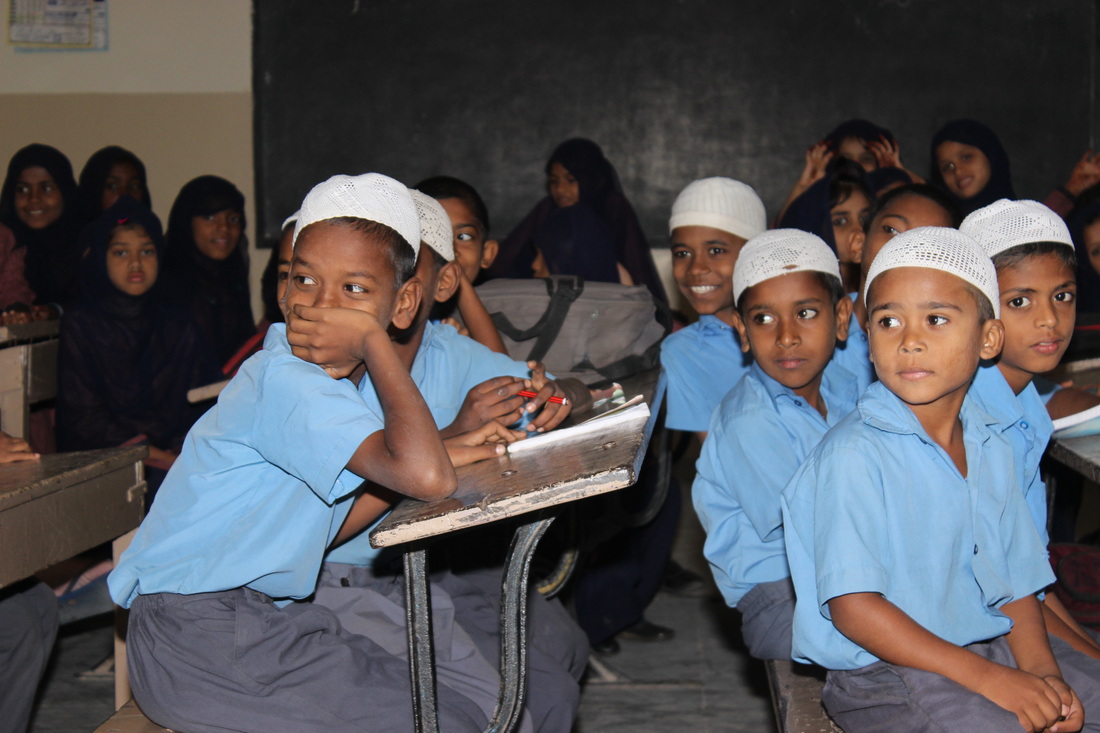
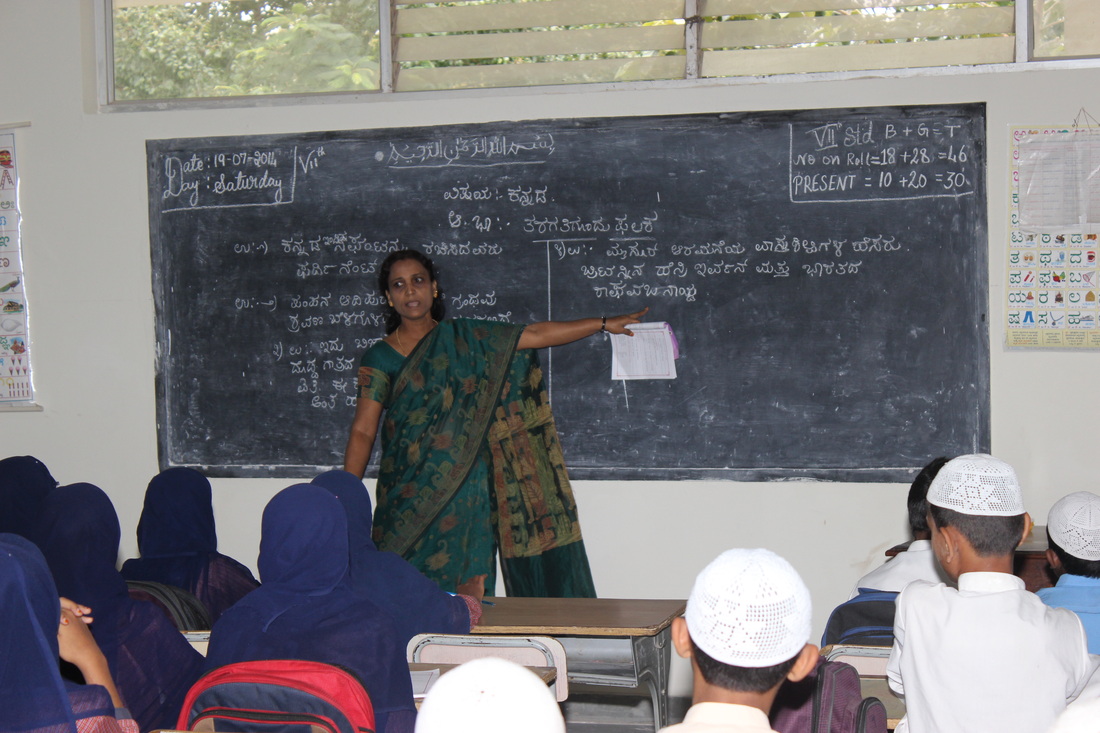
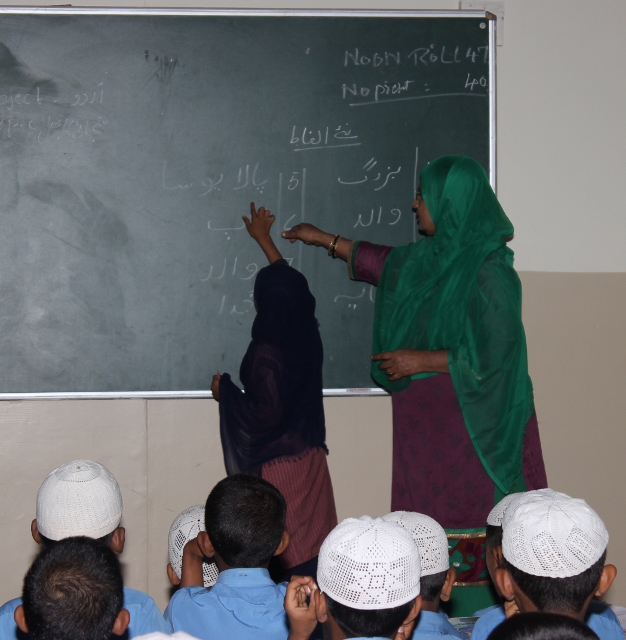
Like all private schools in Bangalore, 25% of the students at this school are from the local area and attend tuition free. The majority of these are male. On the Saturday we toured the facility, about a third of the students in each class were absent.  The younger students, like younger students everywhere, were easily distractible. The older students were engaged in the lesson being presented.  In the Kannada class, the students eagerly sang back the responses.

Picture
Picture
Picture
Picture
Picture
1 Comment

Billboards

7/18/2014

0 Comments

 
Picture
Picture
0 Comments

Thoughts on Karma and Community

7/18/2014

0 Comments

 
On Thursday Dr. Chiranjiv Singh of the Anand Foundation gave a presentation to introduce us to the history and culture of India. In his talk, he explained how karma was a binding agent which keeps this country of 3000 languages and dialects together. He told this tale of the scorpion and the man.

One morning, after he had finished his meditation, the old man opened his eyes and saw a scorpion floating helplessly in the water. As the scorpion was washed closer to the tree, the old man quickly stretched himself out on one of the long roots that branched out into the river and reached out to rescue the drowning creature. As soon as he touched it, the scorpion stung him. Instinctively the man withdrew his hand. A minute later, after he had regained his balance, he stretched himself out again on the roots to save the scorpion. This time the scorpion stung him so badly with its poisonous tail that his hand became swollen and bloody and his face contorted with pain.

At that moment, a passerby saw the old man stretched out on the roots struggling with the scorpion and shouted: "Hey, stupid old man, what's wrong with you? Only a fool would risk his life for the sake of an ugly, evil creature. Don't you know you could kill yourself trying to save that ungrateful scorpion?"

The old man turned his head. Looking into the stranger's eyes he said calmly, "My friend, just because it is the scorpion's nature to sting, that does not change my nature to save."

Dr. Singh summed it up by saying that to save was the man’s karma, and to sting was the scorpion’s karma. Karma is your situation, and you move and act according to your karma. In family’s it is the parent’s karma to look after the children when they are young, and children’s karma to take care of their parents when they are old.  Karma also affects your next life.  So many people here who live in poverty take comfort in the fact that they will be more comfortable in their next life.

Unlike western tradition, in India emphasis is not on the individual.  There is a duality of the body and mind, and people are not seen as separate from God.  This is reflected in social systems which are comprised of families and communities. 

Because of technology and education, today in India people are trying to synthesize Western views with Indian values.  Currently the outcome is not known. I believe we should look at synthesizing our values with theirs.   I like the idea of depending on family and communities, and this this is a weakness in our system. When you look at the current state of our systems designed to help those in need here in our country, you see many gaps caused by a lack of funds and bureaucracy.  Maybe it is time for East to truly meet West on a philosophical level.  


0 Comments

First Day in India

7/18/2014

1 Comment

 
Picture
Picture
Picture
Picture
Picture
Getting through Customs and Immigration at the airport was actually a breeze.  I was happy to see that my knife was not confiscated and the document camera I brought for Babu Simon Louis was not damaged.  Yes, I brought my pocket knife.  At some point I want to buy a mango in a market, peel it, and eat it.

India smells like bread.  In fact, it smells like the bread we were served on our flight from Frankfurt to Bengaluru.

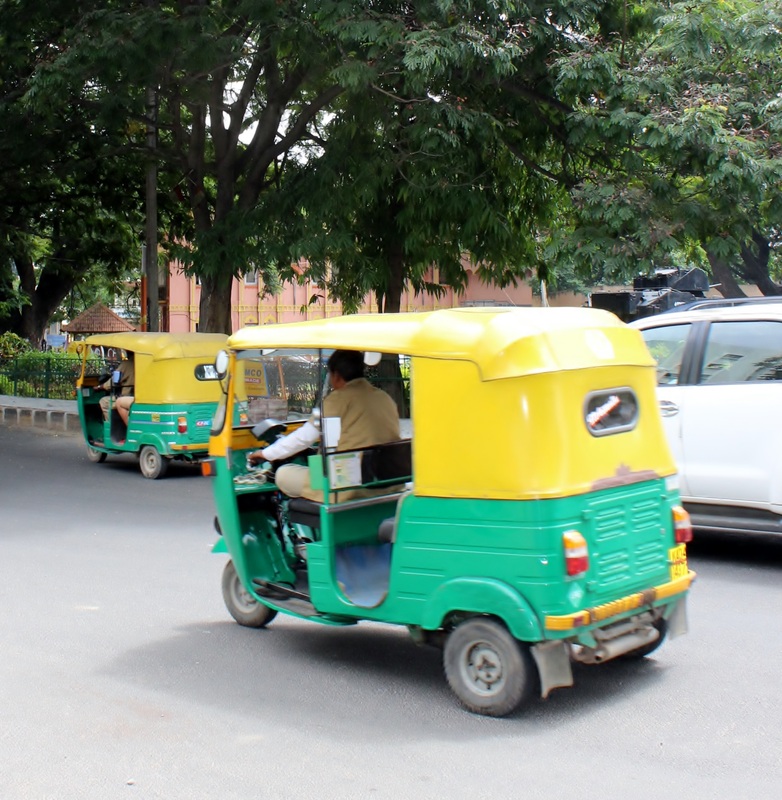
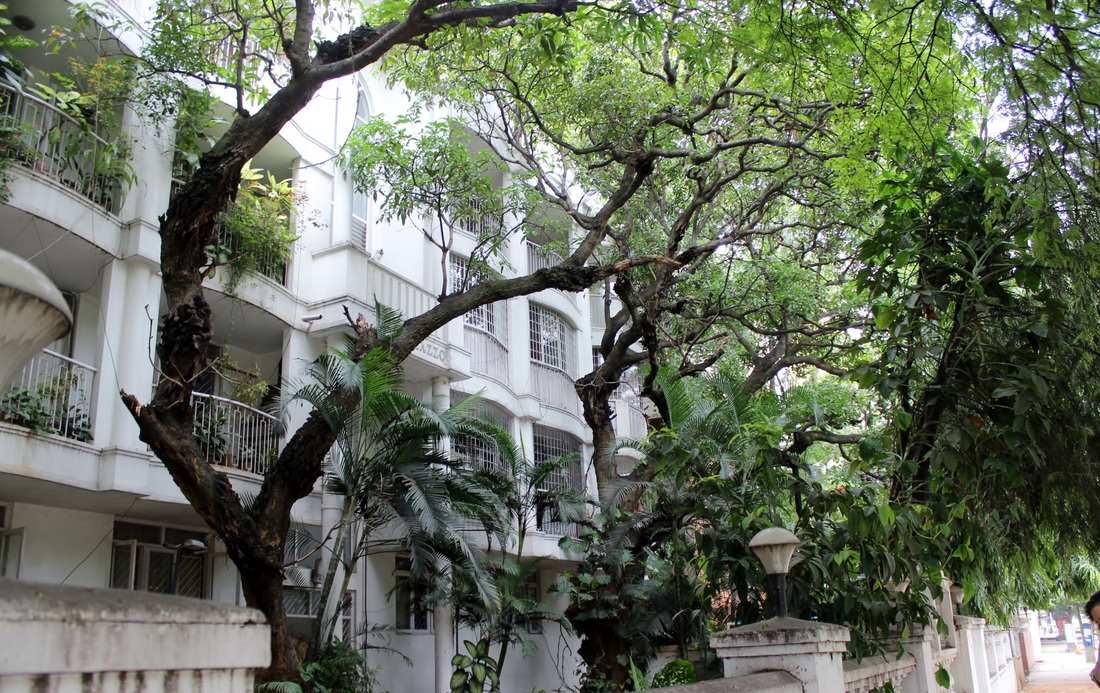
It is hard to see from the bus that took us to our hotel because it is in the wee hours of the morning.  However I did notice some things.  There are huge billboards.  Slightly taller than they are wide, three of our billboards could fit in the space.  The advertising on them is all in English.  Many of the buildings have balconies – this includes stores as well as apartments and homes.  The stores I have seen so far tend to be two story strip malls of a sort.  The balcony railing is used for advertising.  Some of the buildings I think might be homes or apartments have different levels reached by stairs which have a Dali-esque quality about them. They seem to rise, twist, and turn in the most unexpected places. Very charming, actually.

The hotel has a buffet which features Indian, American, and Continental food.  For my first breakfast I had scrambled eggs, bacon, olives, and a mango lassi.  For lunch I had mutton in some sauce, chicken soup, fruit, and rice.  Dinner was potatoes au gratin, fish in a spicy sauce, grilled chicken, and channa masala.

On our first day our schedule was light. We had an interesting talk about the history of India, and some of that information will be used in my next post.

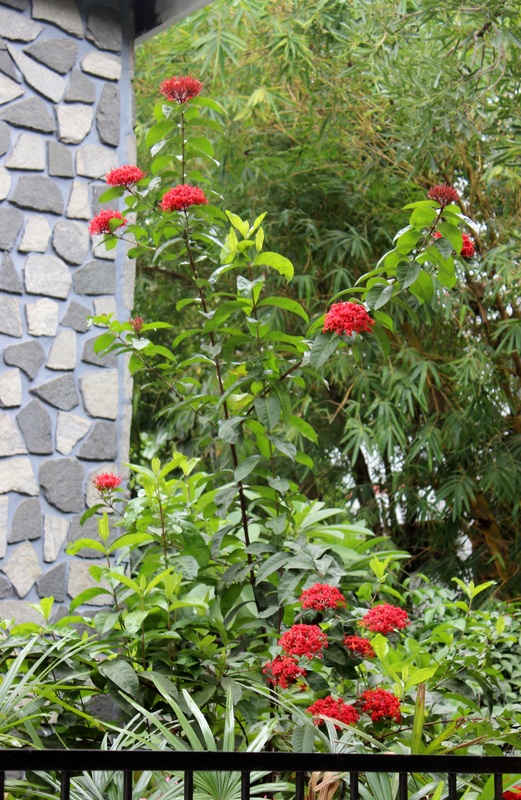
I did talk a walk around the neighborhood and made some interesting discoveries. Some auto rickshaw drivers are very forceful, other are friendly.  Beggers are quiet and respectful of your space. I found this surprising since it is the opposite of what I had been told to expect. Cows wander the sidewalks. Watch where you step. Vegetation abounds, and the effect is very cooling and soothing.


1 Comment
<<Previous

    Discoveries 
    in India: 
    Travel Blog

    Author
    I am a middle school teacher, a writer, a photographer, an amateur archeologist, and an explorer of places and people. Here you will find my thoughts about what I discovered in India and hopefully answers to the questions I am asking.

    Disclaimer
    This blog is not an official U.S. Department of State blog. The views and information presented are the grantee’s own and do not represent the Teachers for Global Classrooms Program, IREX, or the U.S. Department of State.

    Archives

    August 2014
    July 2014
    June 2014
    March 2014

    RSS Feed

Powered by Create your own unique website with customizable templates.